
National Indigenous History Month invites us to pause, reflect, and deepen our understanding of the Indigenous Peoples whose lands, languages, and teachings are the foundation of the places where we live and work. It is a time to consciously name truths, honour resilience, and recommit ourselves to culturally safer care, especially for those of us working within the palliative approach and supporting learners through palliative care training.
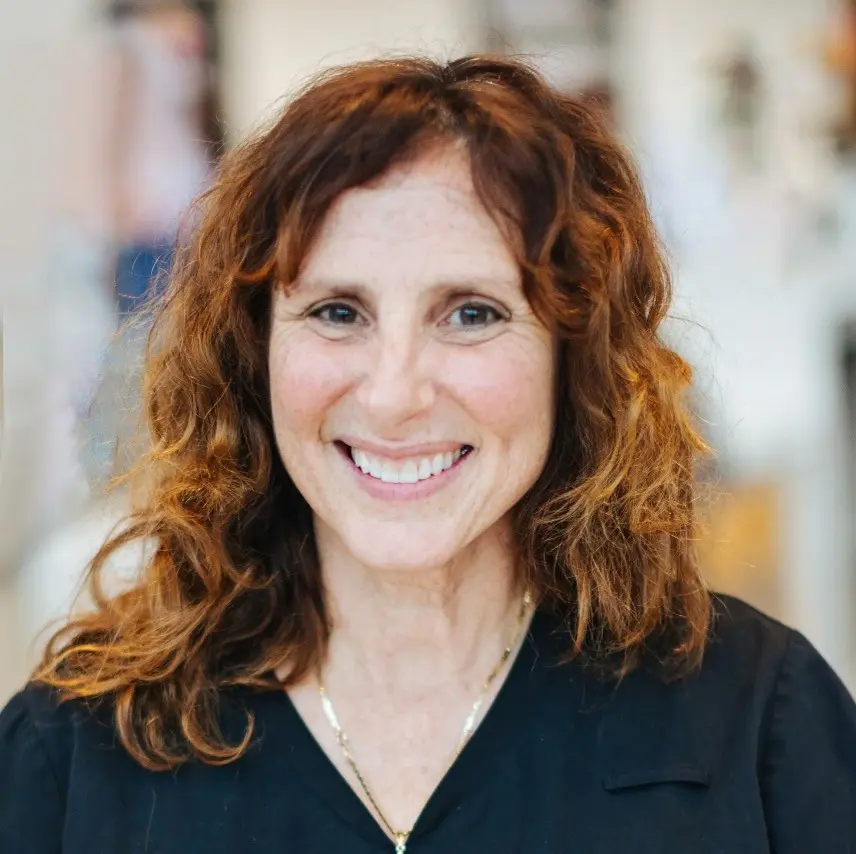
This month, our community has been guided by the teachings of Dr. Holly Prince, Anishinaabekwe scholar, social worker, and long-time leader in Indigenous palliative care. Dr. Prince is a member of Opwaaganisiniing (Lac Seul First Nation) in Northwestern Ontario and has spent more than 20 years supporting Indigenous communities through caregiving, dying, death, and grief. Her work centres Indigenous Knowledges, community relationships, and culturally grounded approaches to care.
Through her recent blog, ‘Creating Spaces and Places to Honour Indigenous Knowledges in Palliative Care’, and our powerful webinar with Dr. Prince as a guest, ‘There Is Medicine in Diversity: Creating Spaces and Places to Honour Indigenous Knowledges in Palliative Care’, we invite you to rethink what it means to provide care that honours identity, community, and spirit.
Honouring Indigenous Understandings of Care, Dying, and Death
Dr. Prince reminds us that for many Indigenous Peoples, dying is not viewed as a medical event. It is a spiritual journey. A transition supported by family, community, land, ceremony, and ancestral teachings. Care is relational, holistic, and grounded in ways of knowing, being, and doing that have existed since time immemorial.
These teachings call us back to the heart of the palliative approach: seeing the whole person, honouring their story, and supporting what matters most to them and their community. They also challenge us to consider how palliative care training must reflect Indigenous worldviews, cultural protocols, and community-centred practices.
What We Learned Through the Webinar
In our webinar, we explored how Indigenous knowledge can guide more respectful, meaningful, and culturally grounded palliative care. Key themes included:
- The importance of identity, land, and language in shaping care experiences
- The need for culturally safe spaces where Indigenous Peoples feel seen, respected, and supported
- The ongoing impacts of colonisation on health, trust, and access to care
- The role of community, ceremony, and relational practices in supporting people through illness, dying, and grief
These teachings remind us that culturally safer care is not a checklist. It is a commitment, one that requires humility, self-reflection, a willingness to learn and active participation in that commitment.
If you haven’t yet watched the session, we encourage you to take the time. It is a meaningful learning opportunity for anyone engaged in a palliative approach, whether you are a PSW, nurse, educator, or someone supporting learners through palliative care training.
What This Means for Care Teams and Learners
For PSWs, nurses, educators, and care teams, this learning is deeply connected to the work we do every day. Whether we are supporting someone at the bedside, teaching future caregivers, or engaging in palliative care training, we have a responsibility to:
- Listen deeply and with humility
- Honour culturally safer care around wellness, illness, dying, and death
- Support access to ceremony, Elders, and land-based practices
- Build relationships rooted in trust and respect
- Recognise the ongoing impacts of colonial systems on health and wellbeing
- Create care plans that reflect the person’s cultural, spiritual, and community needs
These are not additional tasks. They are essential components of a compassionate palliative approach.
Continuing the Learning Journey
National Indigenous History Month is also a time to seek out resources that help us learn in thoughtful way. The National Centre for Truth and Reconciliation Canada has teaching resources on integrating Indigenous knowledge and teaching methods, including:
- Histories of Indigenous Peoples and Nations
- Indigenous stories, languages, and cultural teachings
- Tools for educators who want to integrate Indigenous perspectives into their lessons
These resources support care teams, educators, and learners in deepening their understanding, an essential part of strengthening culturally safer palliative care training and practice.
You can explore these materials and others here:
https://nctr.ca/about/truth-and-reconciliation-commission-of-canada
https://www.rcaanc-cirnac.gc.ca/eng/1524494530110/1557511412801
Walking Forward in a Good Way
As we reflect on National Indigenous History Month, we acknowledge the leadership of Indigenous scholars, knowledge keepers, carers, and communities who guide and centre this work. Their knowledge and guidance help us understand that culturally safer palliative care is not only possible but necessary.
At Life and Death Matters, we remain committed to learning, reciprocity, and supporting care teams to integrate Indigenous knowledge into practice in ways that are respectful, relational, and grounded in community.
We invite you to continue this learning journey with us, through the blog, the webinar recording, CIRNAC, NCTR learning resources, and the conversations that follow. Together, we can walk forward in a transformational way, supporting care that honours identity, community, and spirit.