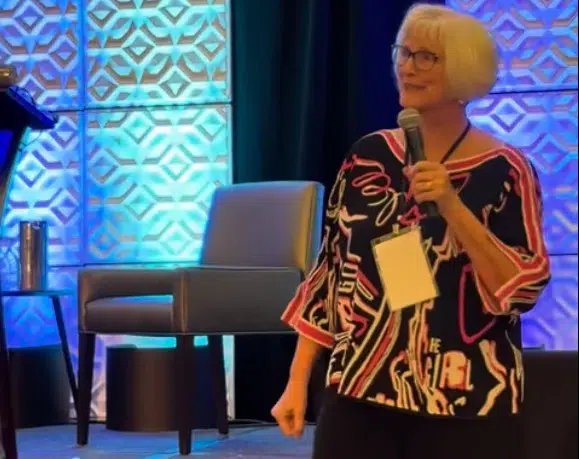

In the online course, “Compassionate Communication” Elizabeth Causton suggests that “The essence of compassionate communication is to be able to step away from our own beliefs, biases, personal experiences, needs, and expectations and to move forward to fully understand the experiences of another person. This does not mean that we deny our own story, but rather that we are consciously aware of our hidden beliefs so that we can own them and set them aside as we do our work. Therefore “compassionate communication” is less about technique and more about perspective and clarity; it’s less about what we tell people and more about what we ask them; it’s less about judgment and more about acceptance; ultimately, it’s less about ‘me’ and more about ‘you.’”
It is interesting but not surprising how many people, myself included, search for the “right thing to say”! There is NO book with all the perfect answers to any particular challenge or need. Journaling, reflecting on our own experiences, and reflecting on work experiences can help to clarify our own beliefs, biases, personal needs and expectations. When we do this, we reduce the risk of tripping over ourselves, and instead, turn to the person in need, and identify what would be helpful according to him/her.
Elizabeth talks about difficult conversations, and how getting ourselves out of the way we can find out listen to understand what might be most supportive for this person at this time.
For more ideas on opening the door for difficult conversations, visit the upcoming course “Compassionate Communication”.