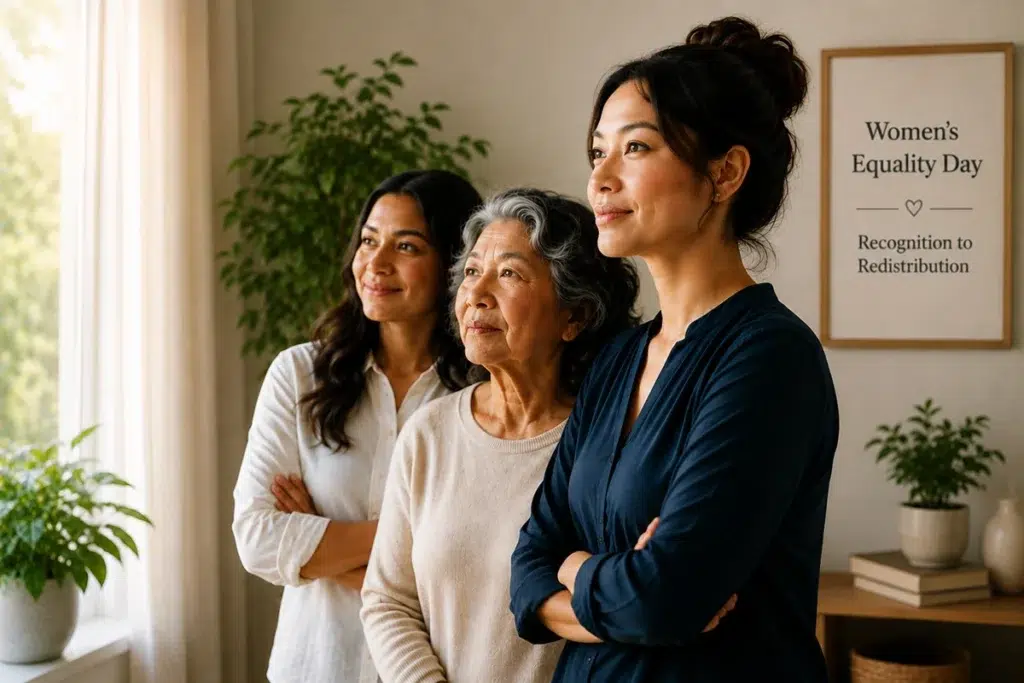

Women’s Equality Day is a powerful reminder that gender equity is not theoretical, but it is lived, daily, in the bodies, homes, and workplaces of women whose labour sustains our communities. At Life and Death Matters, we honour this day by centring the women whose contributions are too often invisible: immigrant and racialized Personal Support Workers, the backbone of home care and long term care across Canada.
The research is clear. Immigrant women PSWs are serving the most vulnerable people while being profoundly vulnerable themselves. In Toronto’s home care sector, PSWs routinely subsidize the system with unpaid labour such as staying past scheduled hours, absorbing travel costs, and losing income when clients move, enter hospital, or pass away. As one worker shared, “Most of the time we’re not done in that one hour. We are spending more time that is not paid for.”
In Calgary’s long term care homes, racialized immigrant HCAs worked through trauma, grief, racism, and dangerous conditions during COVID19, all while providing 70 to 90% of direct care. They feared infecting their families, navigated inadequate PPE, and endured blame from residents who accused them of “bringing the virus.”
Across provinces and across Naomi Lightman’s national census research the pattern is unmistakable: care work is feminized, racialized, and structurally undervalued. Immigrant women PSWs experience wage penalties, precarious hours, health and safety risks, and systemic inequities that undermine both their wellbeing and the quality of care they are able to provide.
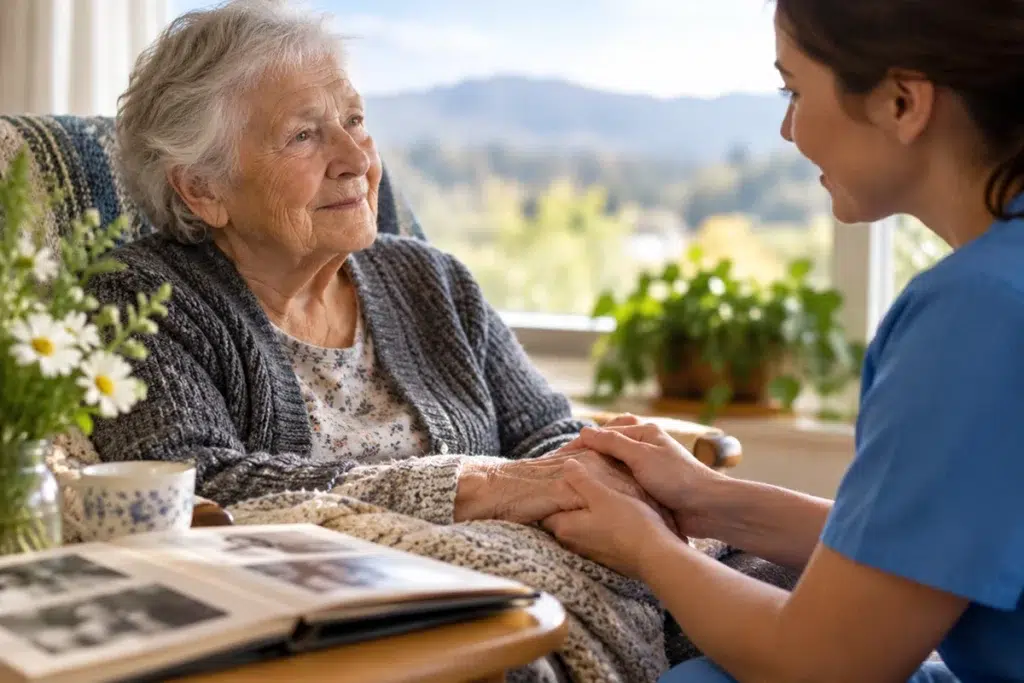
And yet, despite these conditions, PSWs continue to show extraordinary commitment to the people they support. They build trust, reduce isolation, uphold dignity, and make it possible for elders, disabled people, and recovering people to remain safely at home. They are experts in care and adopting a palliative approach, advocates for their clients, and leaders in their communities.
Women’s Equality Day must honour this truth: there is no gender equality without care equality.
At Life and Death Matters, we stand with PSWs in calling for fair wages, stable hours, paid sick days, safe workplaces, mental health supports, and meaningful inclusion in decision making. These women deserve not only recognition, but structural change.
Because when we fight for PSWs, we are fighting for the future of care and for a vision of equality that is real, material, and rooted in justice.