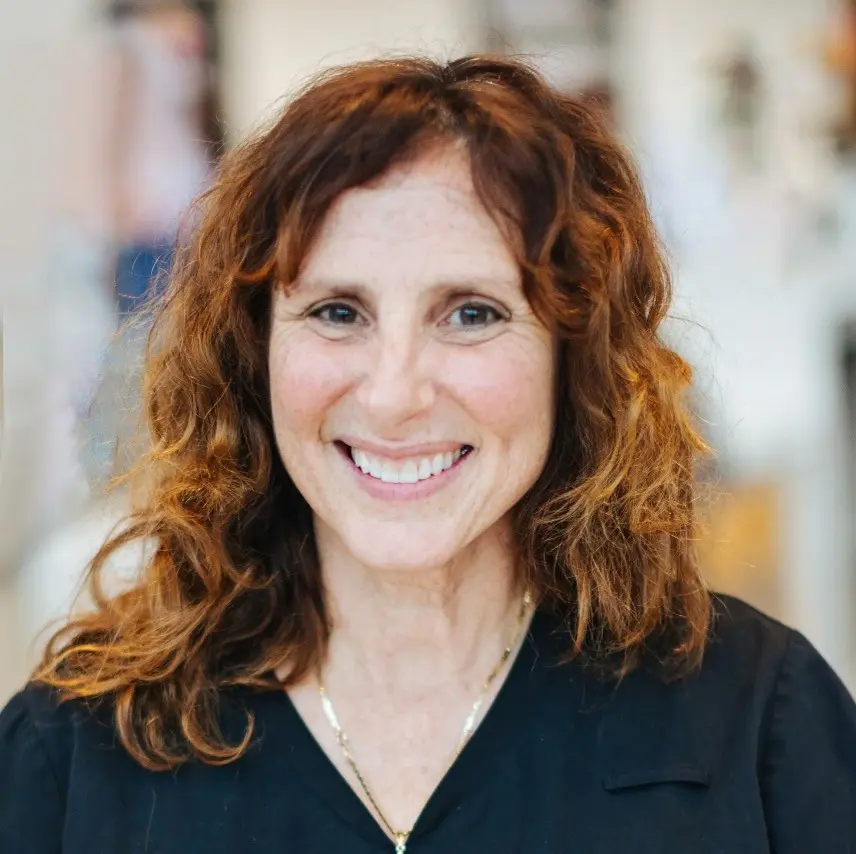

Written By: Su Park
When I visited Mom in Korea I met her doctor for the first time. Because I live in Canada I wasn’t up to date on how her stage 4 cancer was progressing.
“When are you visiting your mom again?”
“Maybe next year?”
The doctor nodded with a smile and looked down as I answered his question.
“Come back sooner if you can.”
That was all he said.
I remember thinking, “What does he mean? How much time does he think Mom has?”
But our time was up, and without clearly expressing his intention, I was left to assume its meaning. Overwhelmed with fear and anxiety, I cried a little, then decided to shake it off and go on with my life.
That was a year before Mom passed in December 2023.
As medical staff, how do you deliver someone’s prognosis? When he delivered the hard truth with so much ambiguity, it only added more uncertainty to my life. So I was quick to dismiss it.
During her 4 years of chemo, my fear of losing Mom occasionally arose. But without giving it the reflection it deserved, I kept busy sweeping it under the rug. Then, the day her health suddenly and rapidly declined, it took everyone, including Mom, by surprise. And within a few days, before I could hear her say how much she loves me one last time, she left us.
I think about how quickly Mom had to process and prepare for death. About things left unsaid, memories unshared and closure unmet. It’s something I don’t wish for others and their loved ones to go through. This experience drove me to help create a better end-of-life experience for them.
Just as Kath Murray and the team at Life and Death Matters is striving to help people prepare to care for people who are dying by providing education and support resources, my goal is to help people prepare for dying through a tool to help them communicate – and leave a legacy for their children.
DieWell is an after-death digital time capsule—guiding parents to leave messages which can be accessed after they die. These messages can be accessed at the most relevant times in their children’s lives, helping them remember their parents, have their lives touched by their parents, and come to know their parents as they navigate through different stages of life. The guide provides prompts to help parents address topics that might be important from the 6 stages of a child’s life (toddler → adulthood).
Using this resources parents can:
· Feel reassured that their presence can be felt during life’s many milestones
· Be confident that their messages can play a crucial role in their children’s growth
· Find comfort in knowing they’re fulfilling a part of their role as a parent
I invite you to share this resource with anyone who might find it beneficial Amori (previously DieWell) . In using this resource I hope that people might feel more at peace in their dying, and that they might feel more able to “die well”.
Su Park will also be presenting on Feb 4 about DieWell’s Digital Time Capsule for Parents which you can register for the webinar here or under the events tab.